




Most of the lighting we replace is still working. It is replaced because it costs too much to run, too much to maintain, or both. A retrofit starts with an audit of what is installed and what it costs, continues with a simulation of the replacement, and ends with a costed proposal that shows the saving against the existing installation before anything is ordered. LED replacement cuts lighting energy by up to 70% against the traditional lighting replaced, and rated life of 50,000 to 100,000 hours takes most lamp changes off the maintenance schedule.
How an audit works
You send us what you have: the fittings installed, the hours they run, the tariff you pay and the areas they light. A site visit helps, but a fitting schedule, photographs and a floor plan are enough to start. We identify each fitting type, its power and its running hours, and build the baseline: what the lighting costs today in energy and in maintenance.
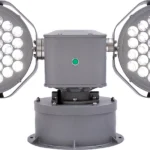
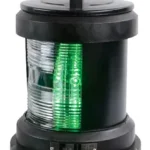
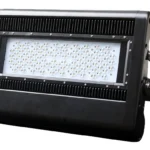
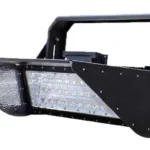
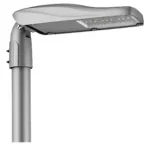
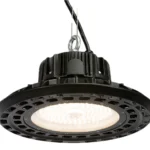
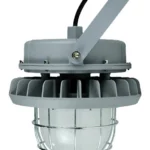
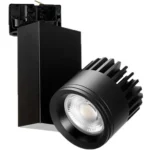
Against that baseline we select the replacement per area from the catalogue — high bay, flood, downlight, linear, retrofit lamp — matched to the existing mounting and supply so the retrofit uses the circuits already there. A light-simulation report shows the lux the replacement delivers, and a cost-saving calculation shows the energy and maintenance saving and the payback period.
The proposal is a costed bill of materials per area with the simulation and the saving behind it. It is something an operator can approve on and a finance team can check.
What the audit gives you
Five things you have in hand before you commit.
Where retrofits pay back fastest
What we need to start
After the audit
Before you commit, we produce light-simulation reports for the space in question and cost-saving calculations against the existing installation. That gives the specifier something to present and the operator a figure to judge it by.
After the order, we cover project design, production, logistics including customs clearance and warehousing, and installation support, and we ship worldwide. Warranty is published per product, where it is stated for the line.
Send us what you run today
Give us the fitting schedule, the running hours and the tariff, and we come back with the baseline, the simulation and a costed proposal. Photographs and a floor plan are enough to start.